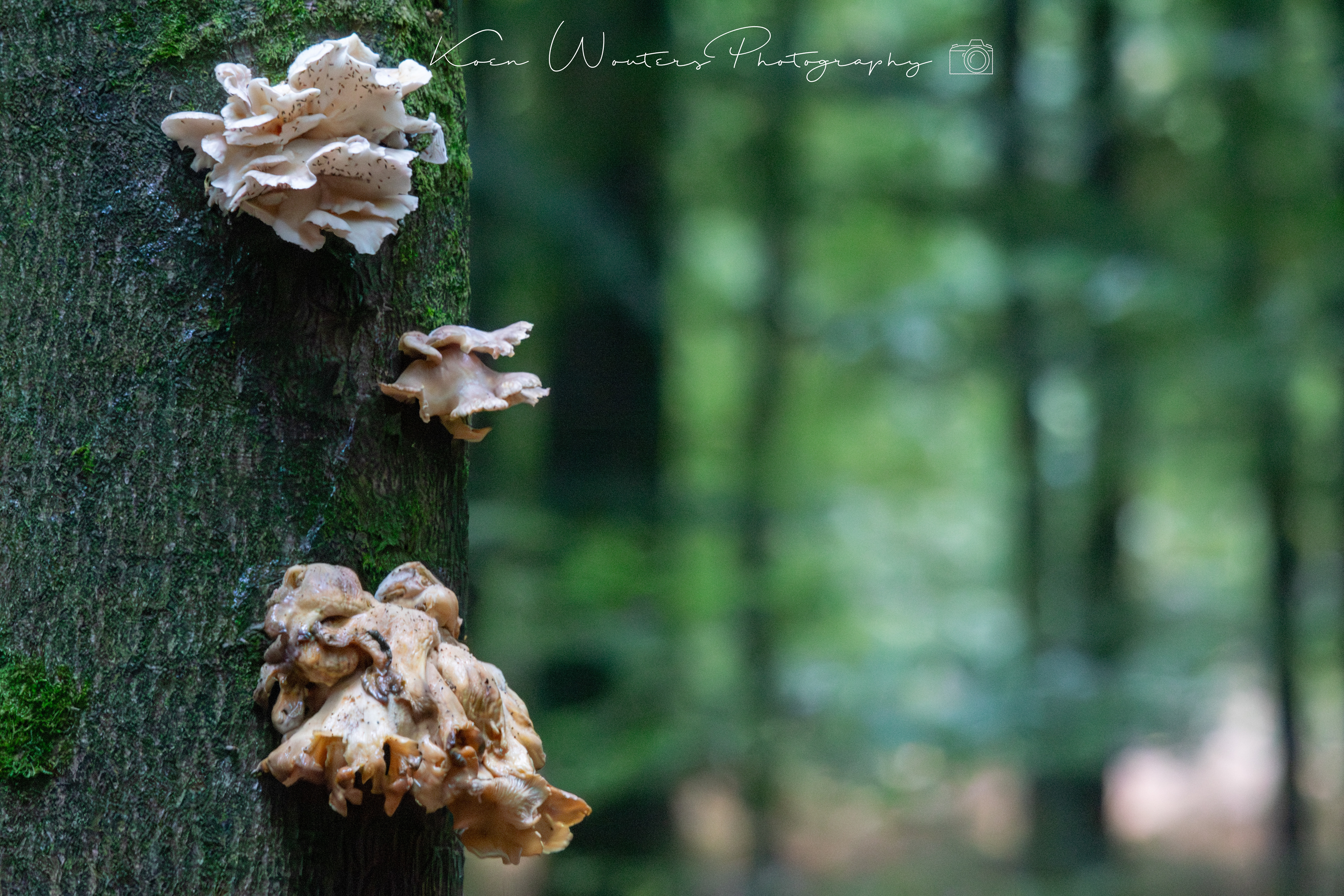
The zwavelzwam, known in English as the sulphur shelf or chicken of the woods (Laetiporus sulphureus), is a striking fungus that lights up tree trunks with its bright yellow-orange shelves. Often found growing on oaks or beeches, it’s one of the forest’s most eye-catching mushrooms. Its vibrant color and layered form give a pop of life to autumn woods — and, for foragers, it’s a well-known edible (when young and fresh), prized for its firm texture and mild, chicken-like flavor.
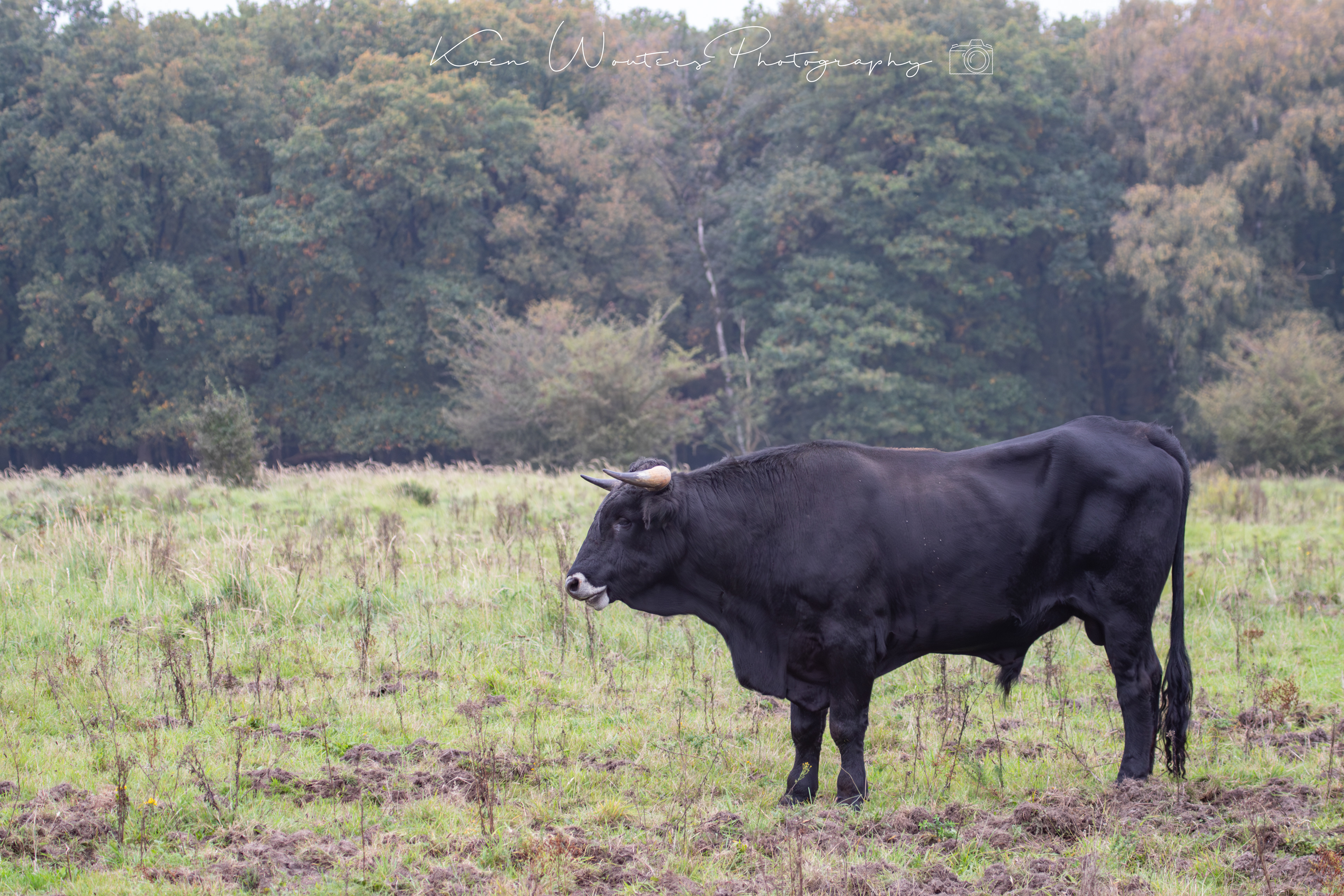
The Sayaguesa bull is a rare and powerful heritage breed from the Sayago region of Spain — known for its striking dark coat, strong build, and calm yet commanding presence. Once bred for work in the rugged landscapes of Castile and León, it now stands as a living symbol of strength, endurance, and the wild spirit of Iberia.
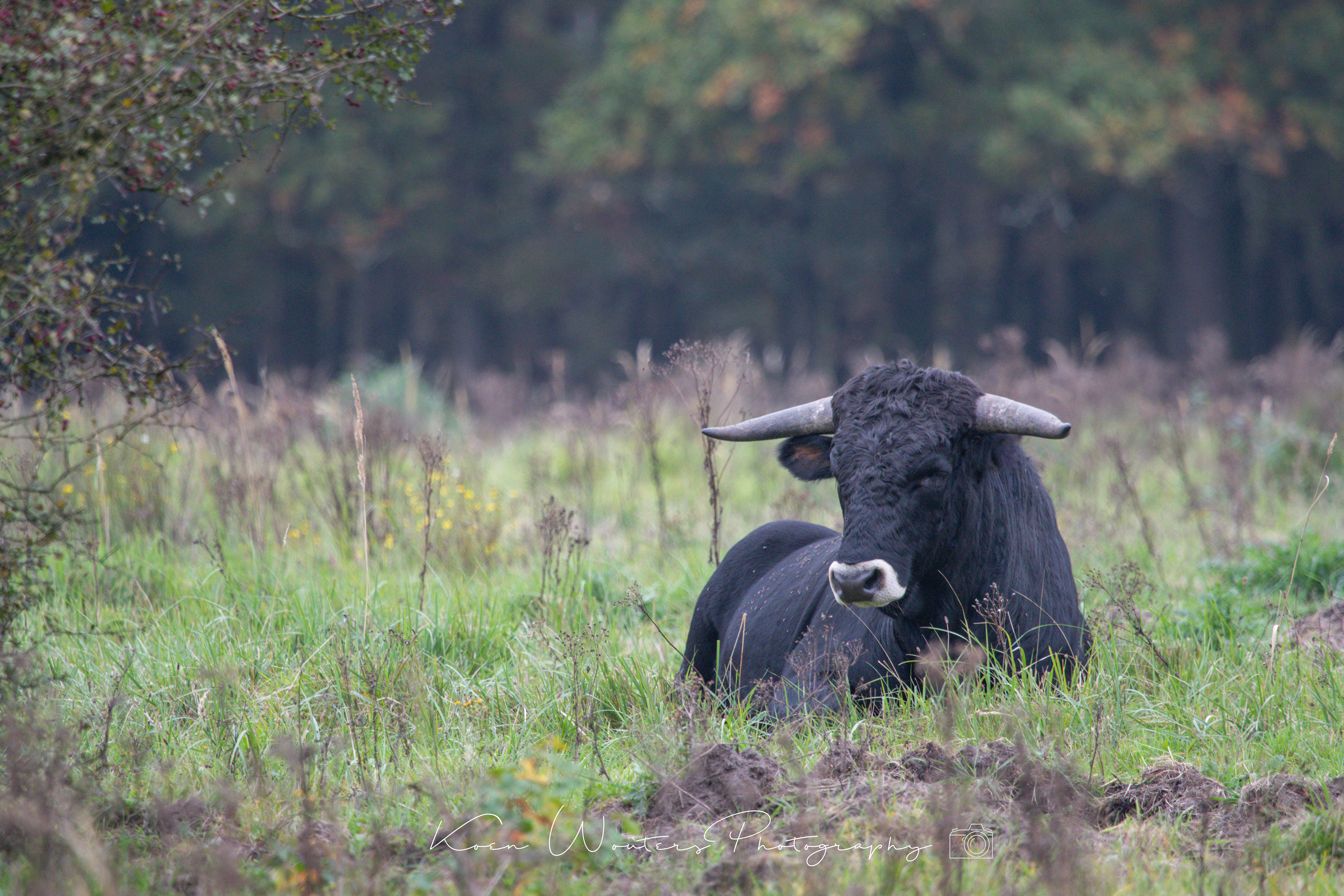
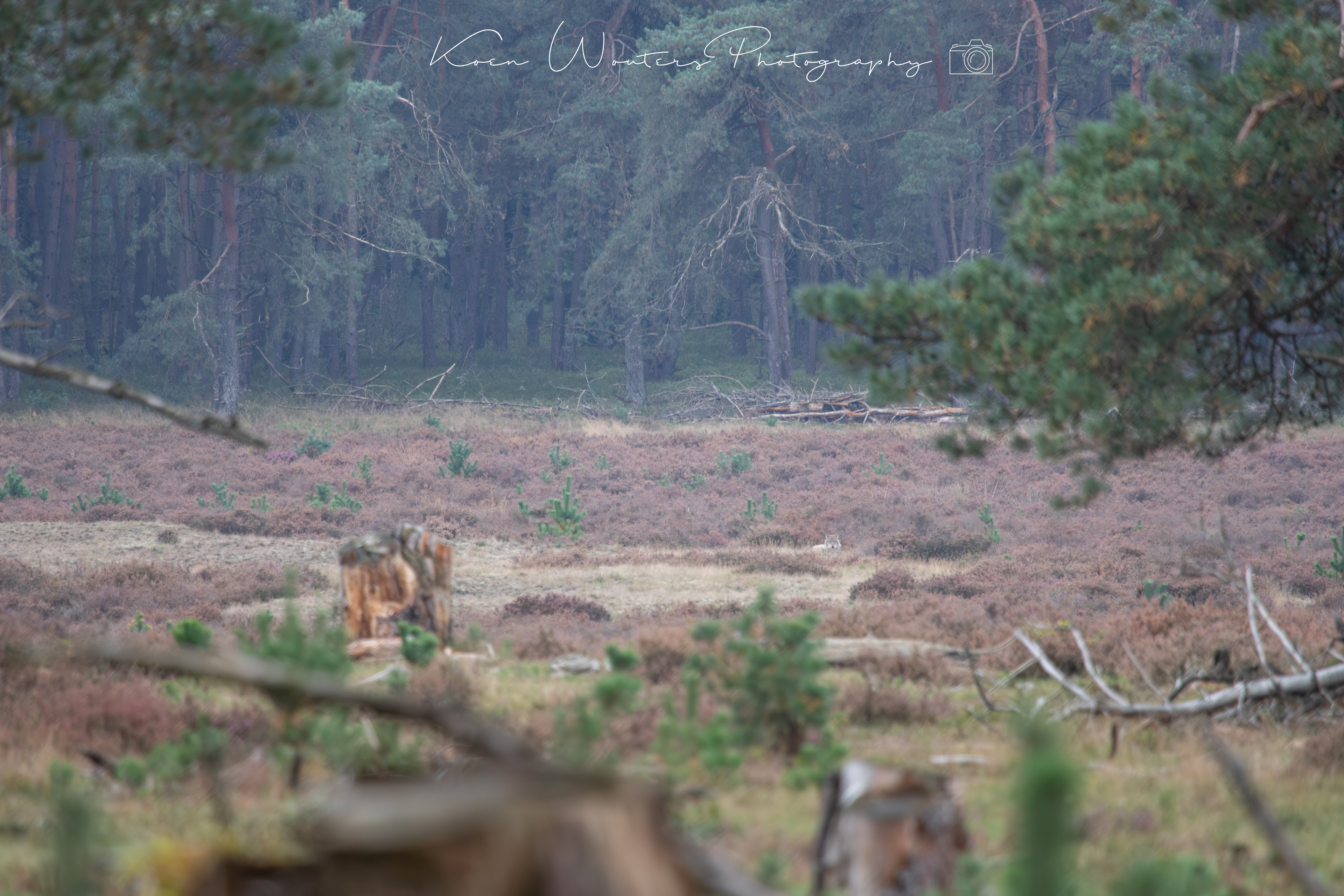
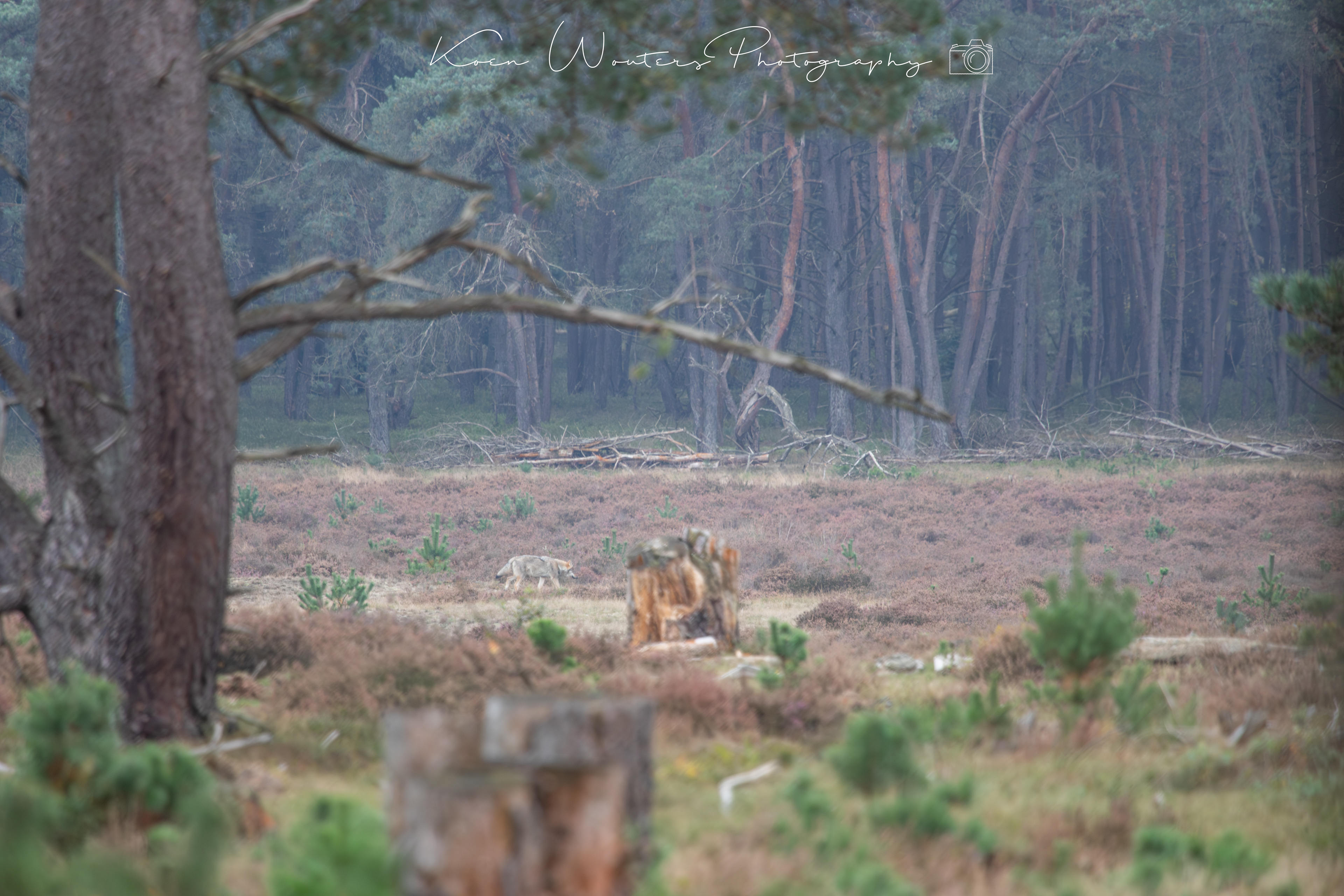
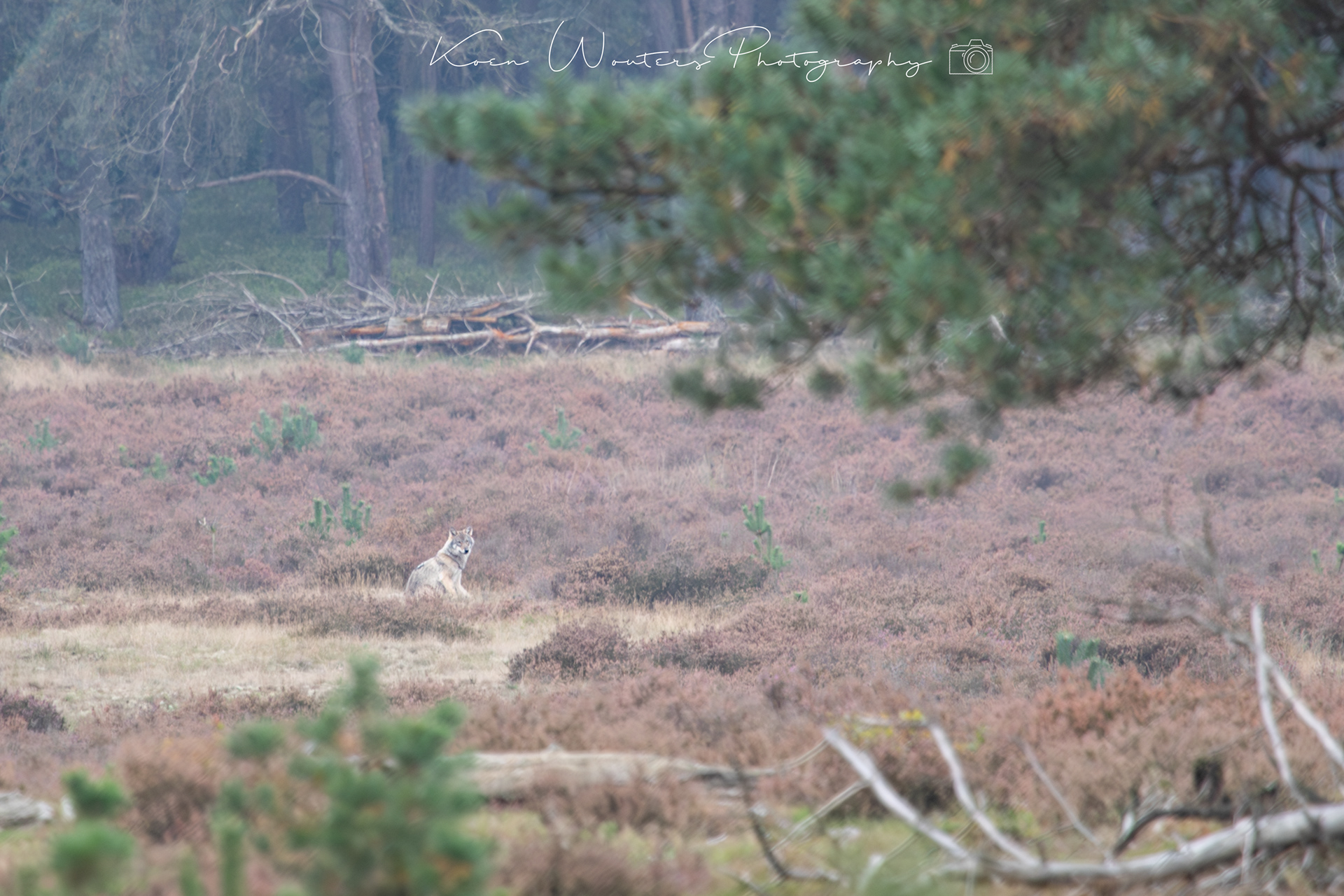
That magical moment when you realize they saw you long before you saw them.
Read the story "The illusive wolf of the Veluwe" here
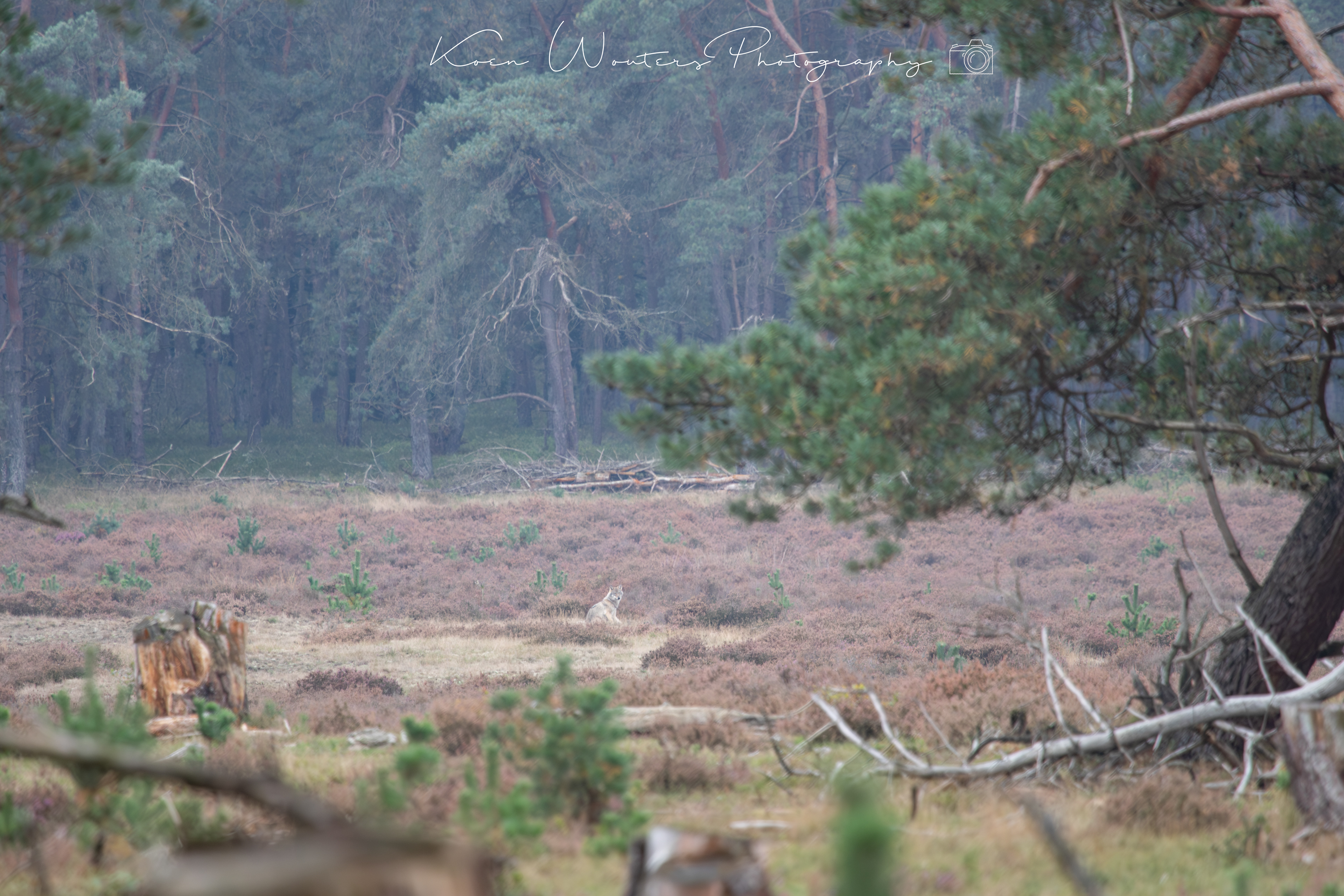
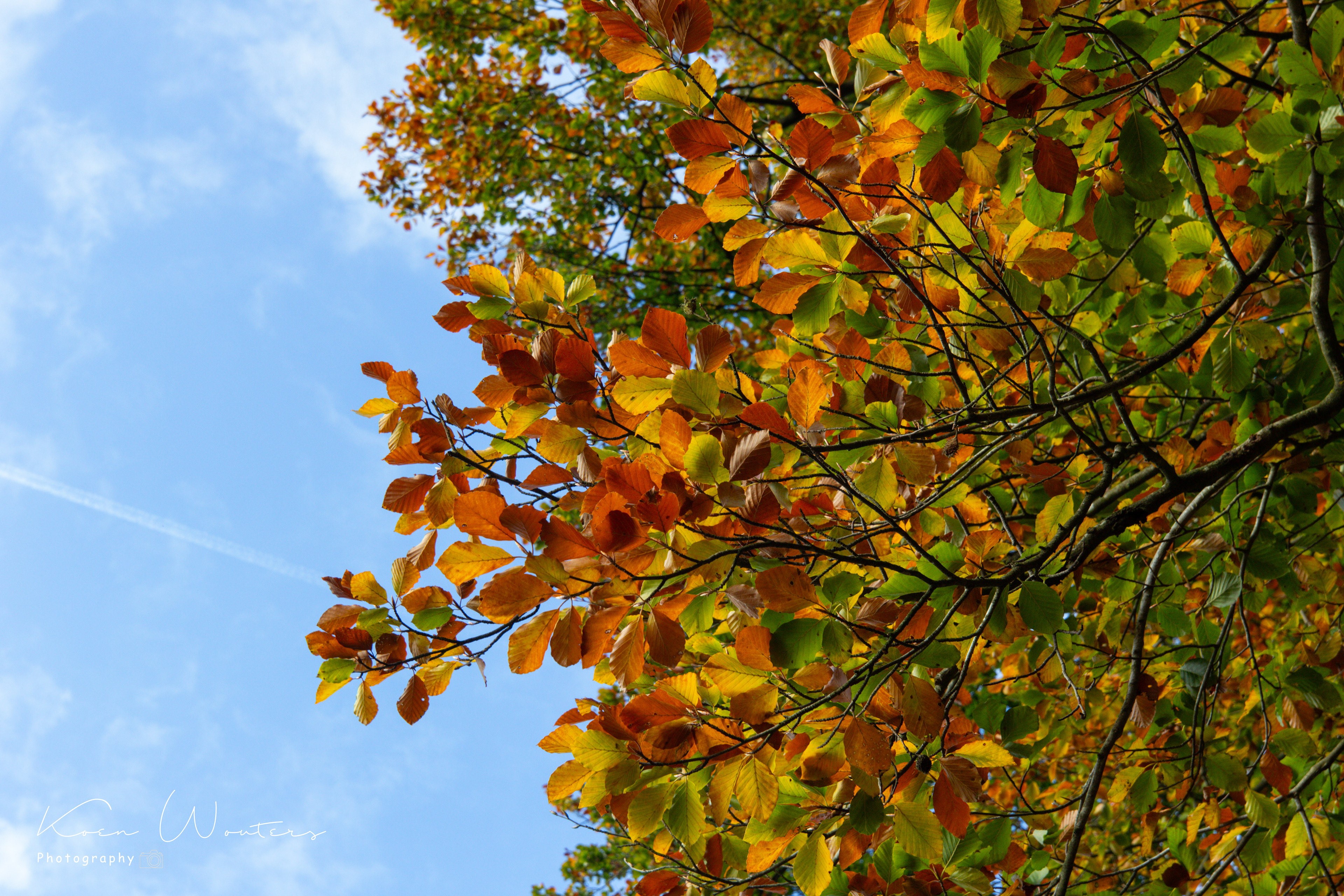
Against a clear blue sky, the autumn leaves blaze like fire — shades of gold, amber, and crimson glowing in the crisp light. Each leaf catches the sun as if holding the warmth of summer for just a moment longer, a fleeting symphony of color dancing on the edge of winter.
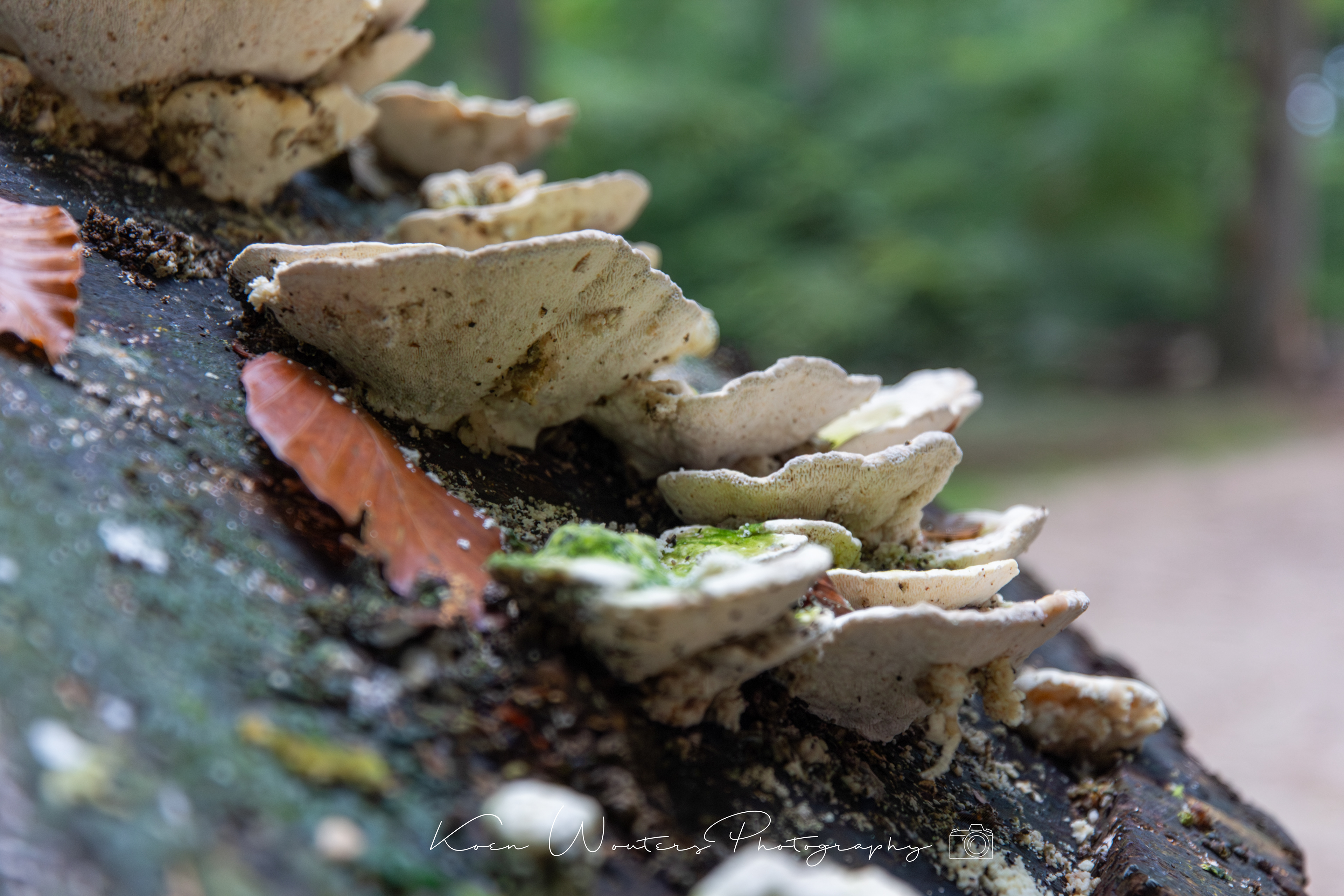
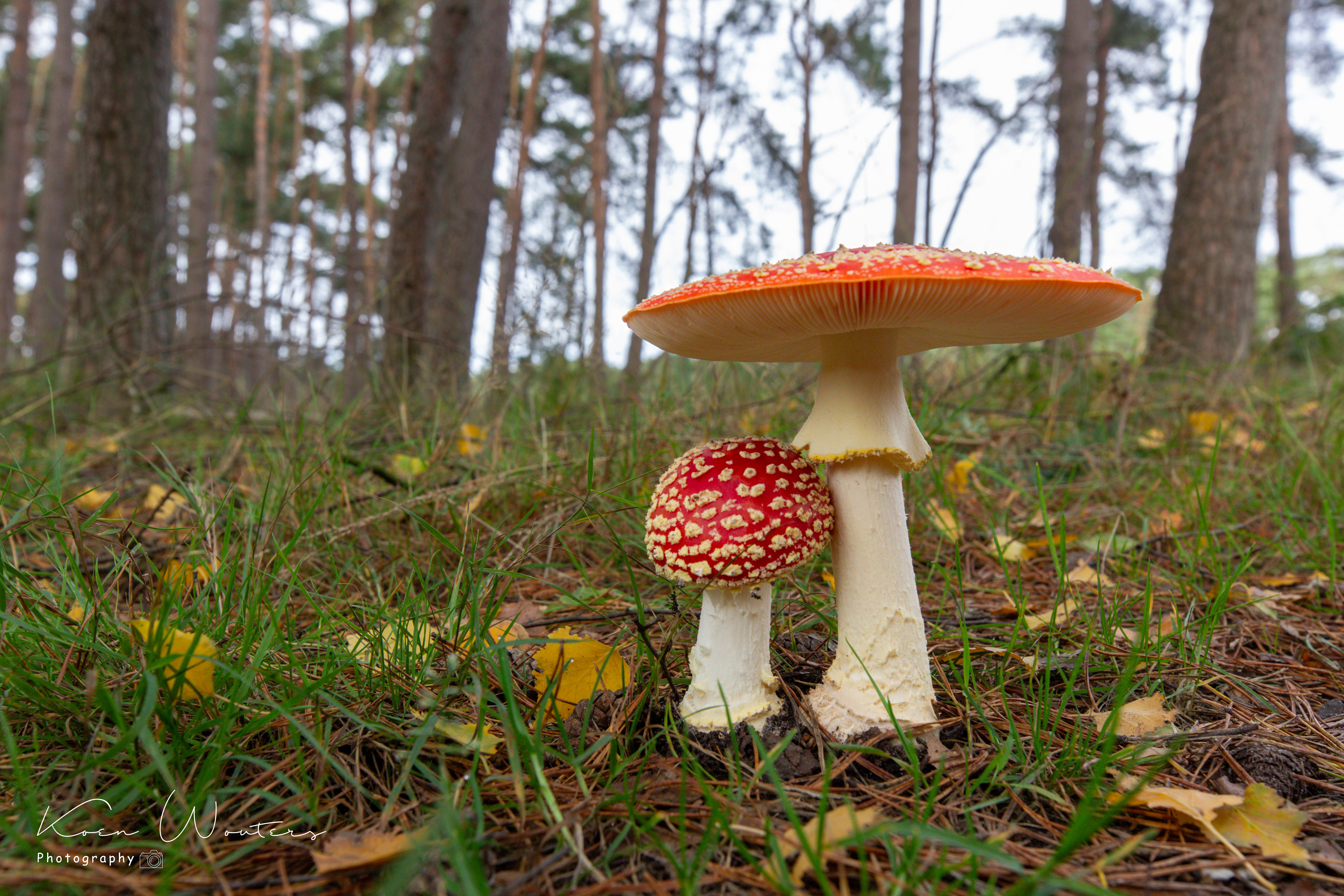
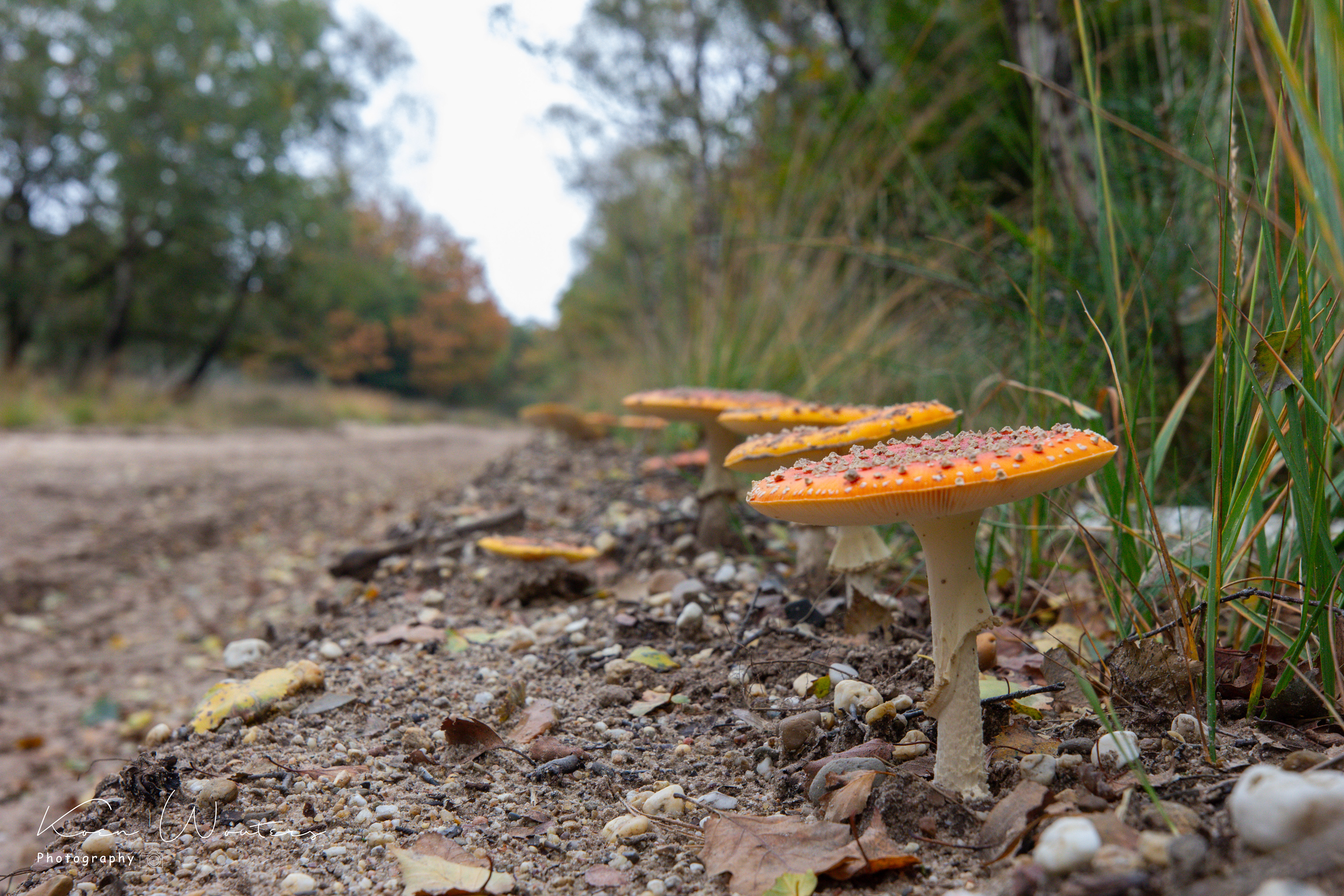
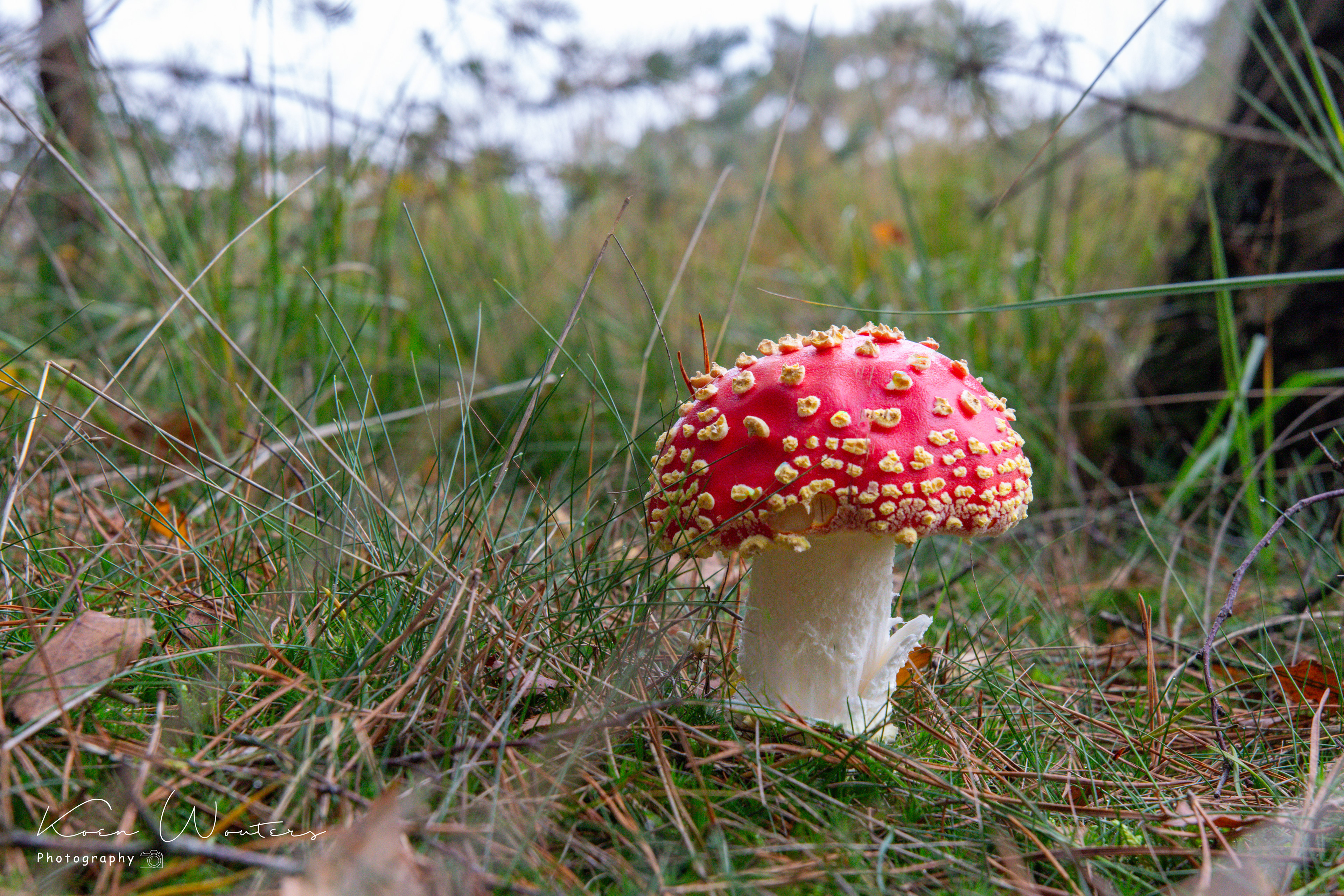
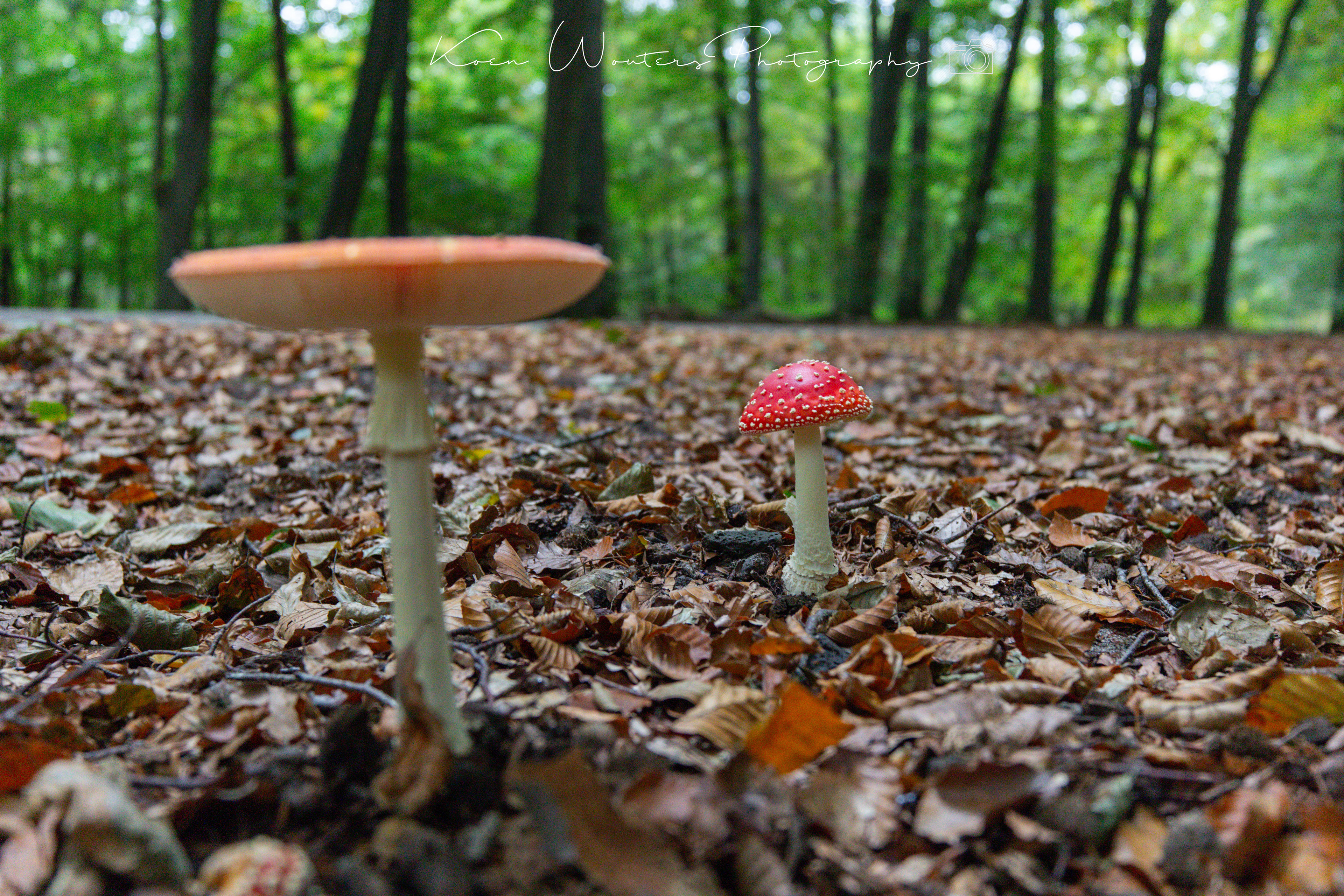
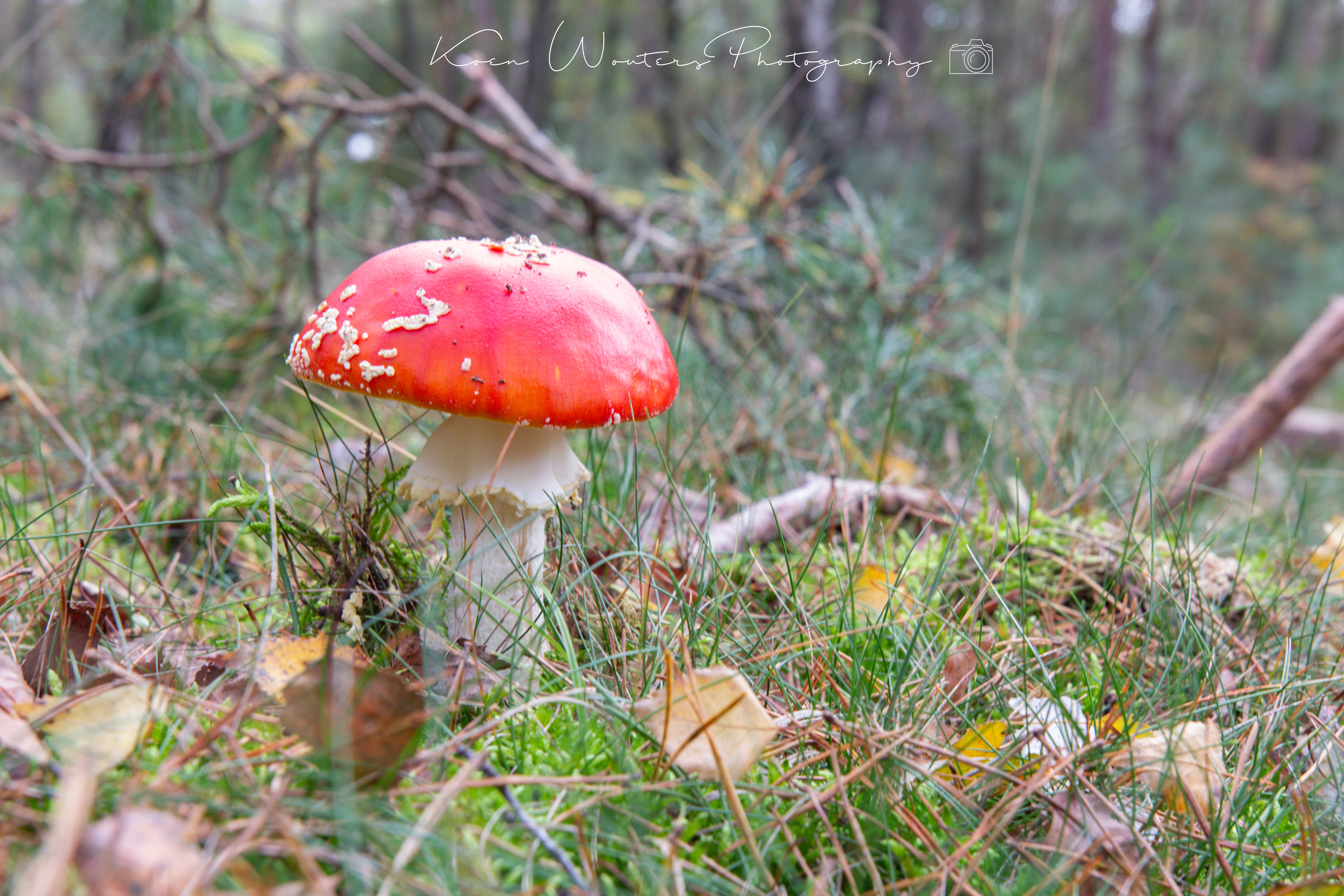
The vliegenzwam — or fly agaric (Amanita muscaria) — is one of the most iconic mushrooms in the forest, instantly recognizable by its bright red cap dotted with white spots. It looks as if it stepped straight out of a fairy tale, adding a touch of magic to the autumn woods. Though beautiful, it’s also toxic, reminding us that nature’s most enchanting sights often carry a hint of danger. Seeing a cluster of vliegenzwammen beneath the birches feels like finding a secret world hidden in plain sight.
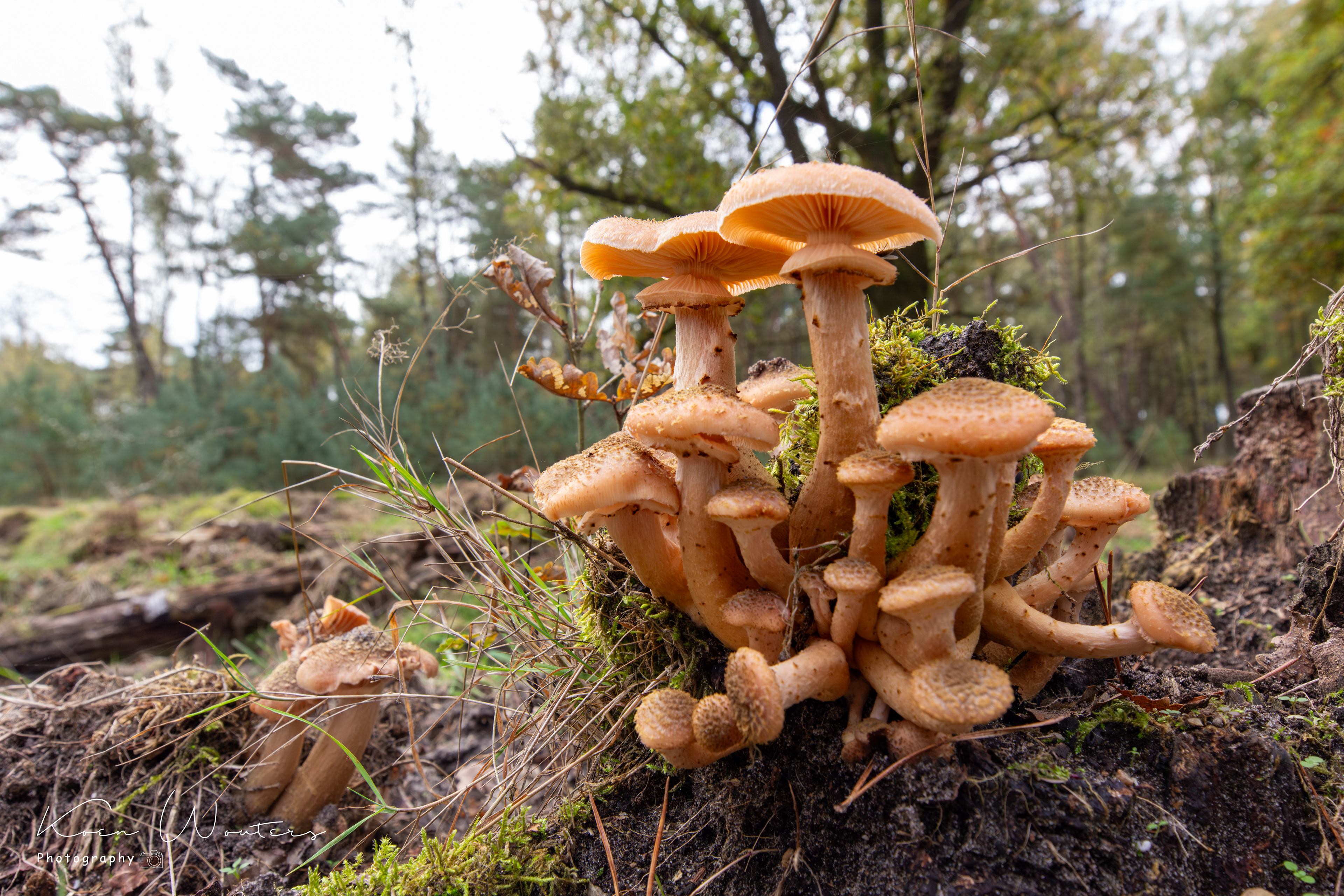
The honingzwam — or honey fungus (Armillaria species) — is a fascinating inhabitant of the autumn forest. With its warm, honey-colored caps and clusters that seem to glow among fallen leaves, it looks gentle and inviting. Yet beneath the surface, it’s one of nature’s most powerful forces — a vast underground network that can quietly overtake entire trees. Both beautiful and formidable, the honingzwam reminds us that the forest’s life and decay are deeply intertwined — one constantly giving rise to the other.
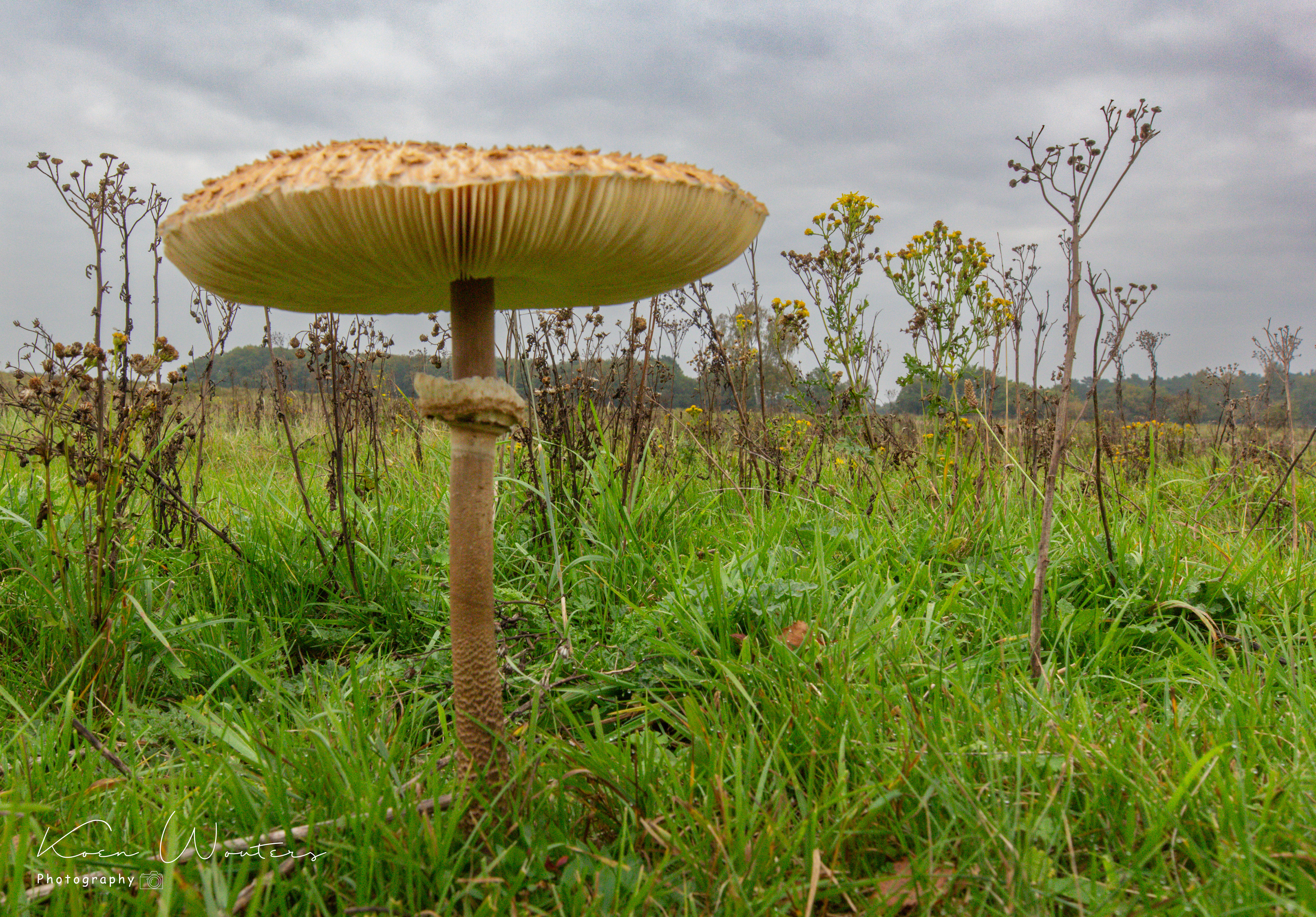
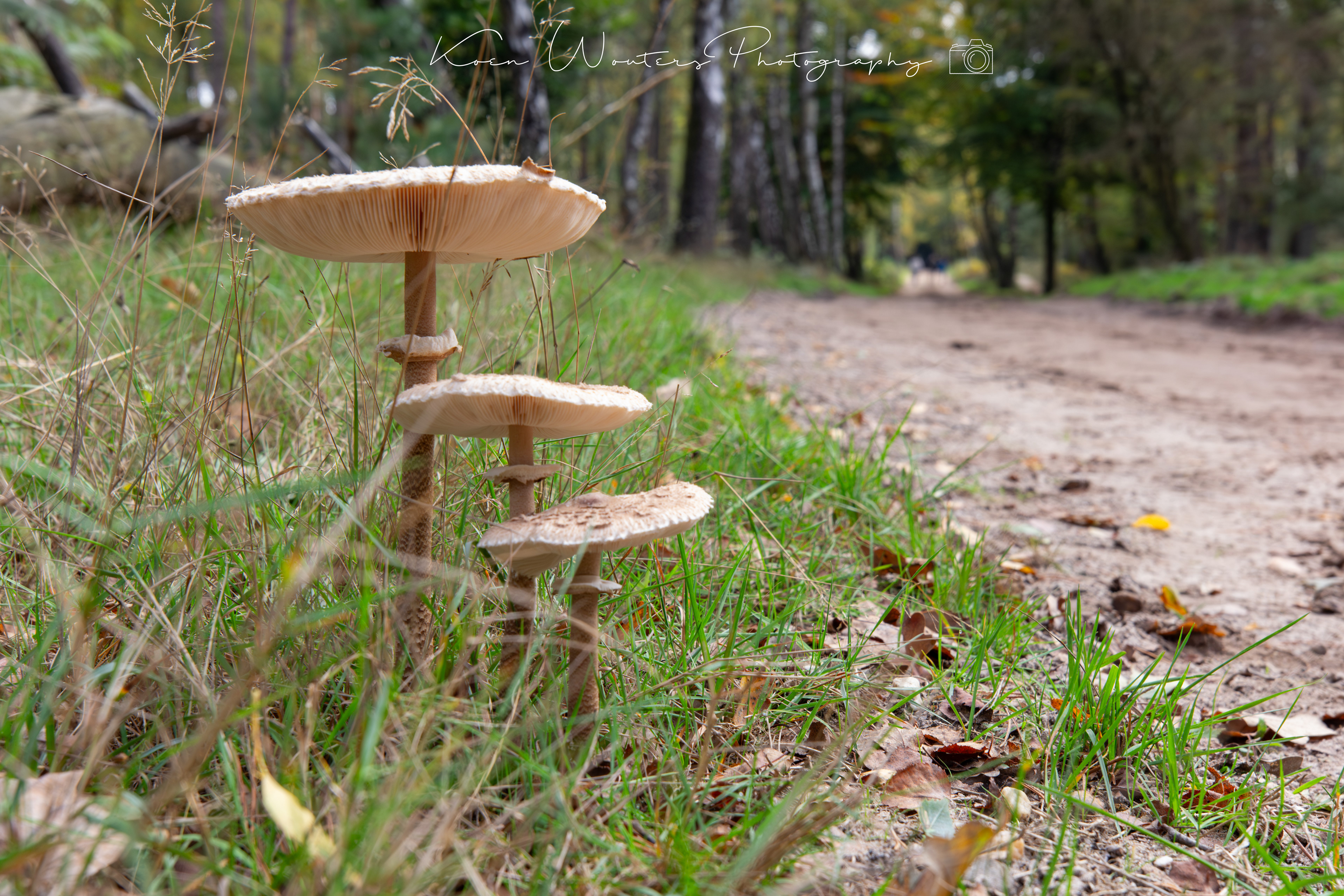
The grote parasolzwam — or parasol mushroom (Macrolepiota procera) — is one of the most elegant mushrooms in the forest. Tall and slender, with a wide, patterned cap that opens like a parasol, it stands proudly in meadows and forest edges, catching the soft autumn light. Its delicate scales and graceful shape give it a timeless beauty, and for those who know it well, it’s also a prized edible — a true gift from the forest that’s as lovely to behold as it is to find.
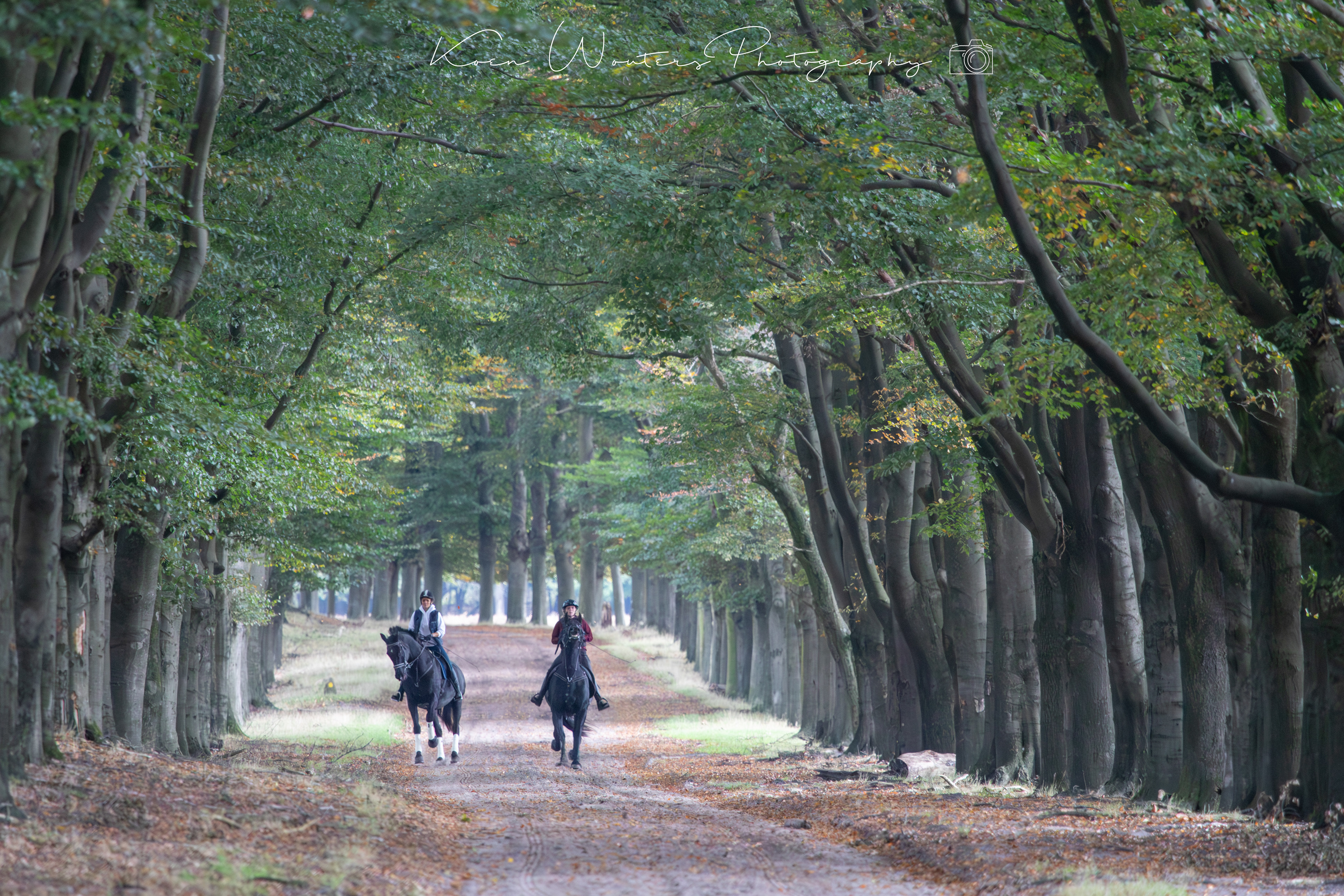
The name Planken Wambuis has an old and somewhat mysterious origin that ties deeply to local history and folklore in the Veluwe region of the Netherlands. The most accepted explanation is that “Planken Wambuis” literally means “wooden doublet” or “wooden jacket” in old Dutch — planken meaning “boards” or “planks,” and wambuis being an old word for a padded jacket or vest worn under armor in medieval times.
According to local legend, the name came from a wooden inn or shelter that once stood at the edge of the Veluwe heathlands, where travelers and soldiers would rest. The building was supposedly covered or built with rough wooden boards — hence, it looked like a “wooden jacket.” Over time, the name stuck and came to refer not only to the inn but to the entire surrounding area of forest and heath.
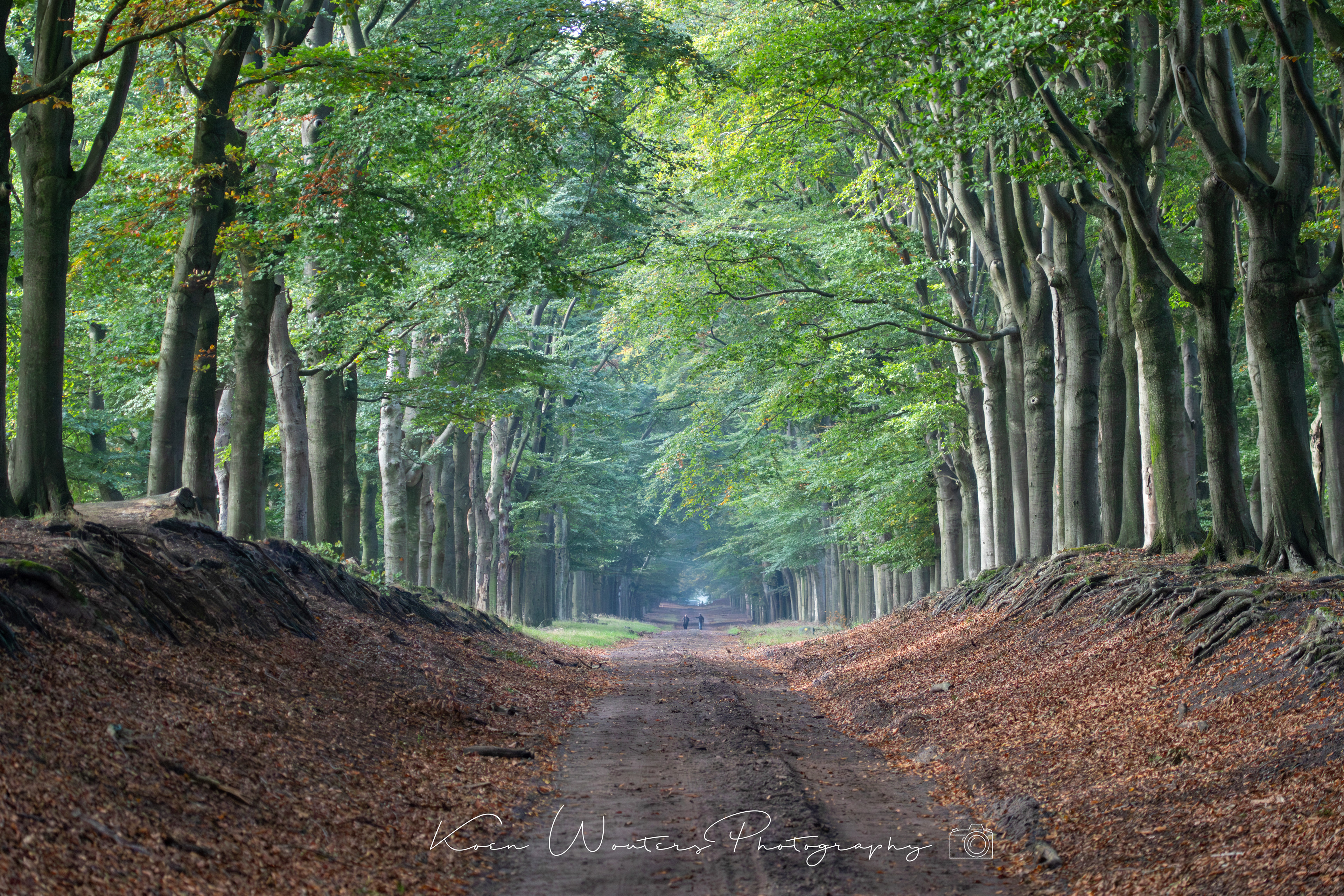
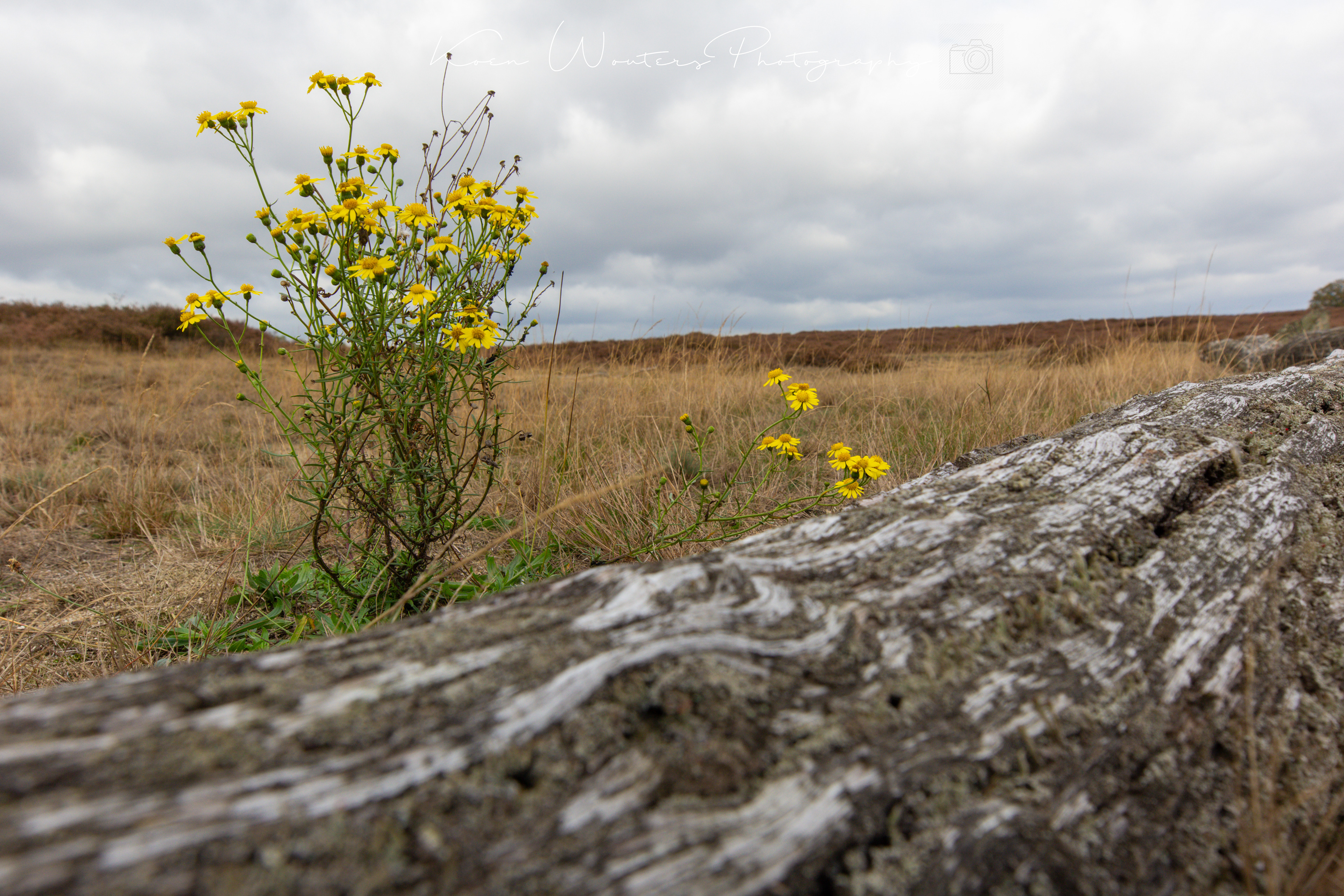
Today, Planken Wambuis is known as a beautiful nature reserve between Ede and Otterlo, rich in history, with ancient trees, open heaths, and the same quiet, rustic atmosphere that once gave birth to its curious name.
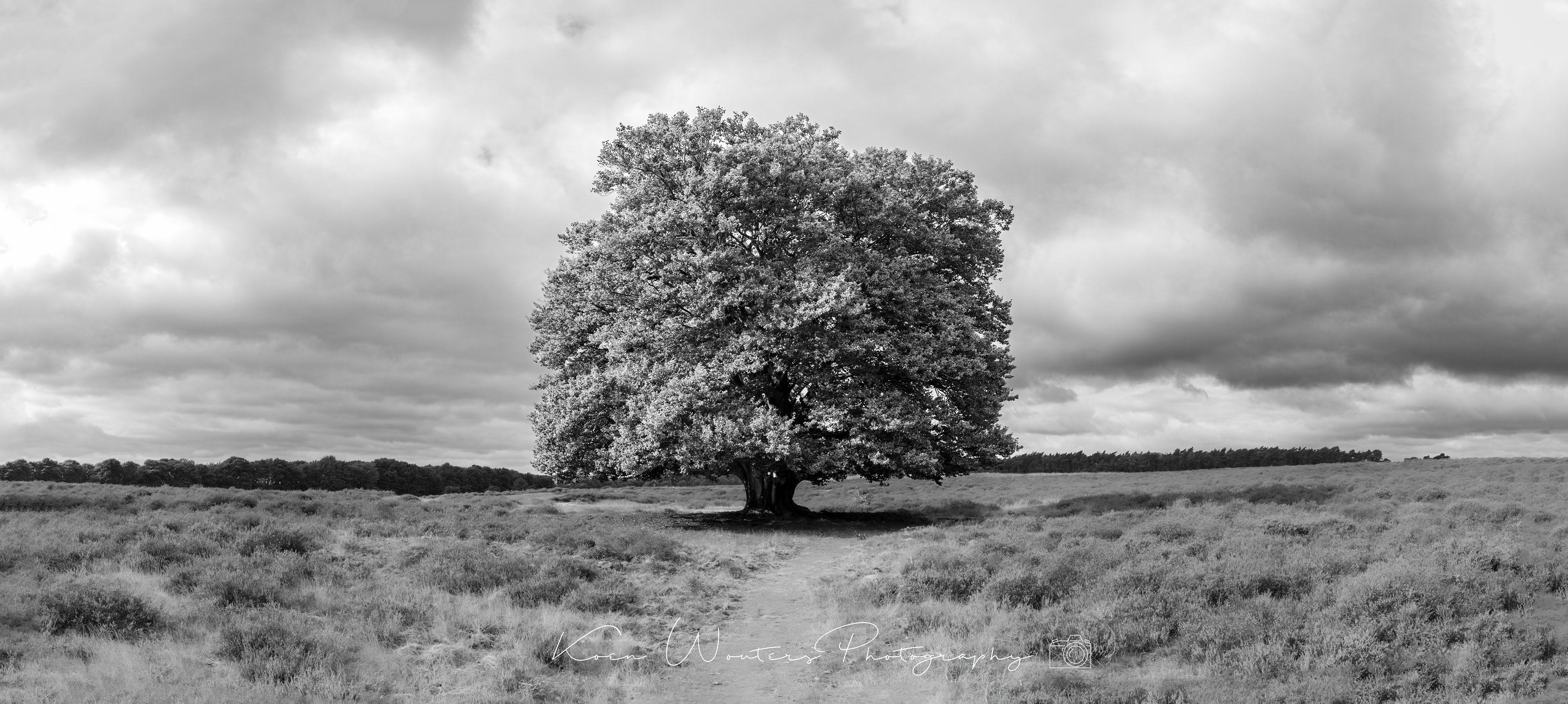
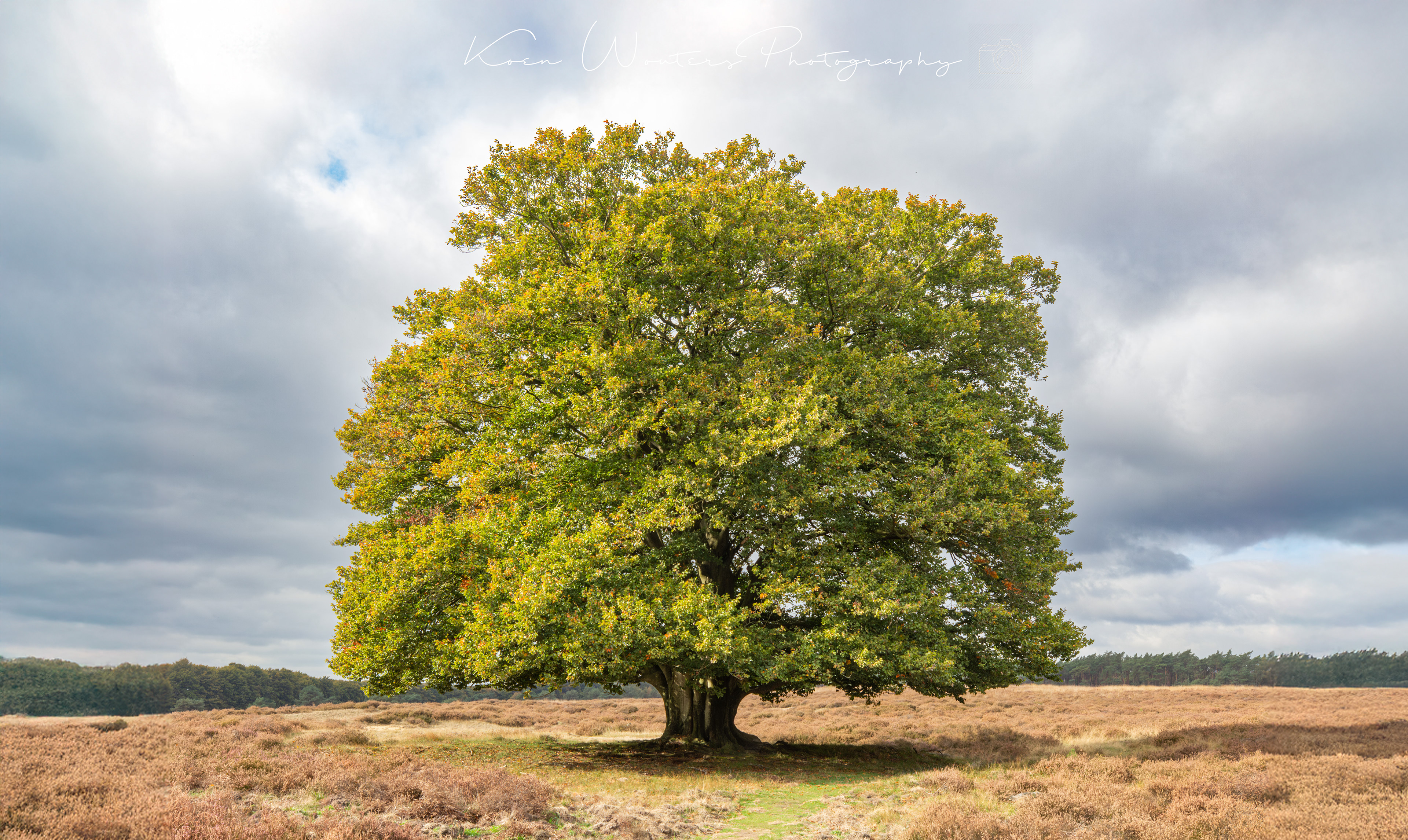
An old beech tree stands lonely in the plains of Planken Wambuis.